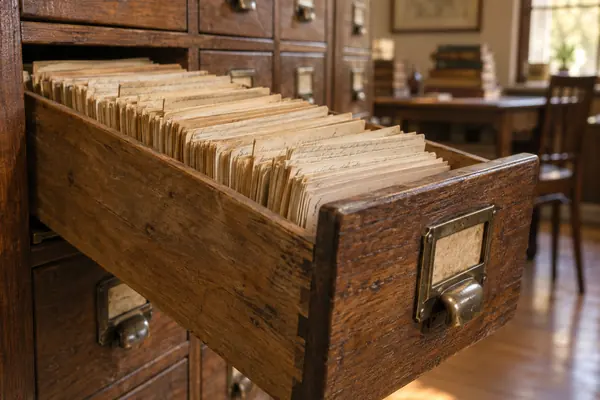
READING
Editors read every day
Merriam-Webster's editors spend roughly an hour or two a day reading and marking books, newspapers, magazines and online publications for new words and meanings.
How they work doodleword

10 YEARSof evidence, traditionally
Editors read widely, collect examples of a word in real use and wait to see whether it spreads and lasts. The Oxford English Dictionary traditionally waits for 10 years of evidence before adding a word.
Updated
THE SHORT ANSWER
Dictionaries record how English is used.
A word gets in when the evidence shows it is here to stay.
READING
Merriam-Webster's editors spend roughly an hour or two a day reading and marking books, newspapers, magazines and online publications for new words and meanings.
How they workCITATIONS
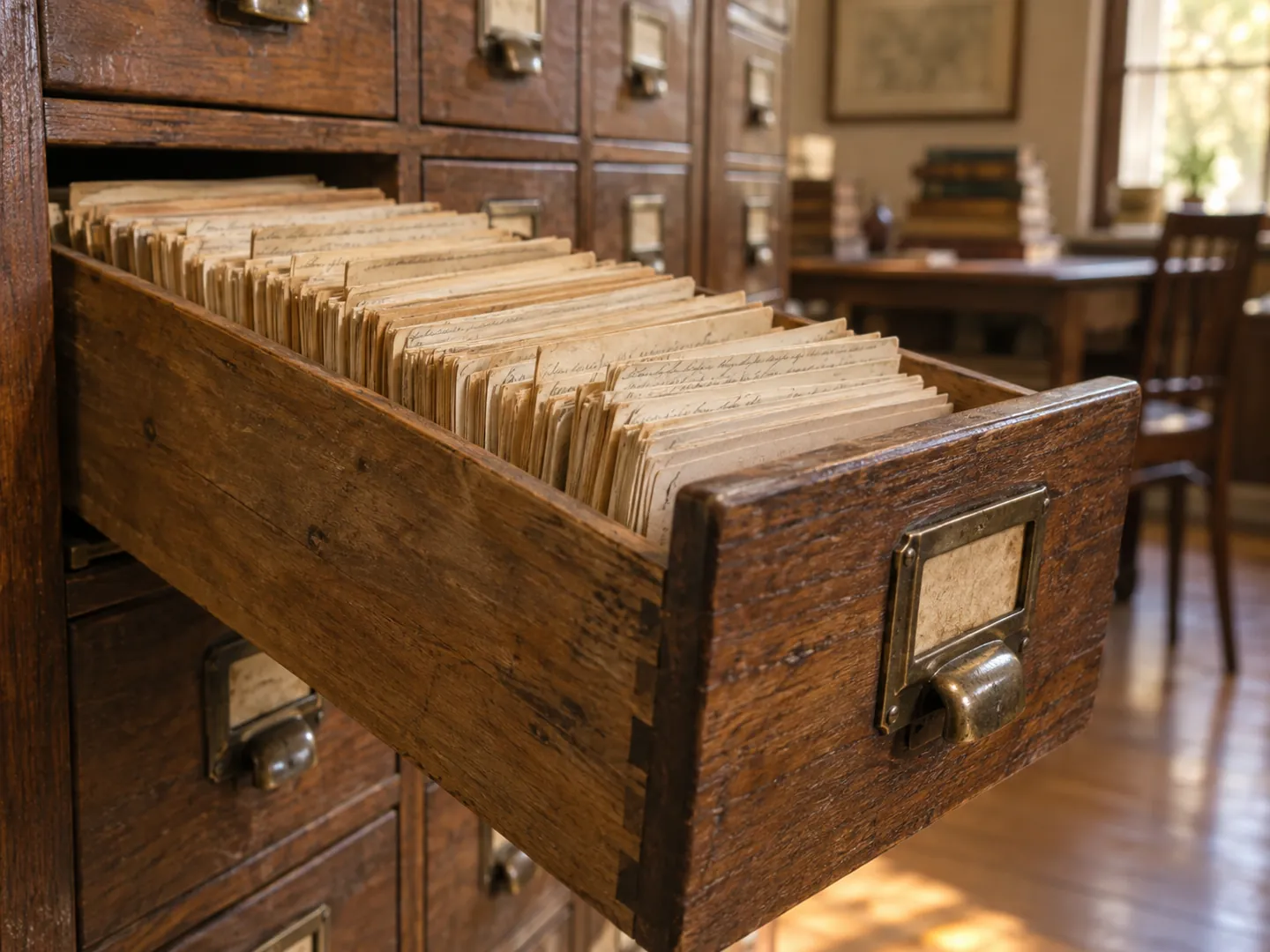
Each find becomes a citation: the word, an example in context and the source. Merriam-Webster's files go back to the 1880s and hold 15.7 million examples.
See the numbersTIME
A word needs use across a wide range of publications over a considerable period. The OED traditionally waits for 10 years of evidence.
Test a wordA QUICK WORD TEST
Pick the situation that best fits a new word you have noticed. The bar shows how strong its case for an entry would be under published dictionary criteria.
Based on Merriam-Webster's published explanation of how words get into its dictionaries and the OED's stated practice. Each dictionary makes its own decisions.
TWO NUMBERS WORTH KNOWING
Big dictionaries are built on quotations
collected from real writing.
≈ 5 million
Quotations behind the first edition
The first Oxford English Dictionary, published in instalments between 1884 and 1928, rested on around five million quotations taken from printed texts by an army of volunteers.
FIRST OED · 1884–1928
15.7 million
Examples on file since the 1880s
Merriam-Webster says its citation files hold 15.7 million examples, supplemented by a searchable corpus of more than 70 million words.
CITATION FILES · MERRIAM-WEBSTER
The OED is updated four times a year. Its September 2016 update alone added more than 1,000 new words and definitions, according to Smithsonian Magazine.

FOUR STEPS EDITORS FOLLOW
The process Merriam-Webster describes is slow on purpose. You can follow the same steps to watch a new word yourself.
Scan books, newspapers, magazines and online writing for new words, new meanings and new spellings.
Record three things: the word, an example of it in context, and where it came from.
Check whether the word turns up in a wide range of publications, not one source or one specialist field.
Keep collecting over years. The OED traditionally waits for 10 years of evidence, with some exceptions.
A LONG HABIT
The first Oxford English Dictionary took 44 years to publish, appearing in instalments from 1884 to 1928. Volunteers combed printed books for quotations showing how each word was used.
Older dictionaries fed into it. Present-day OED editors say Johnson's dictionary of 1755 was the direct source of nearly 3,000 quotations in the first edition of the OED.
Questions
Editors collect examples of the word in real use. Merriam-Webster says a word needs a substantial number of citations from a wide range of publications over a considerable period of time.
It varies. The OED traditionally waits for 10 years of evidence before adding a word, though there are exceptions, such as the chemical element livermorium.
Sometimes. Merriam-Webster says a word that becomes widespread quickly and looks likely to last can be entered sooner, as AIDS was in the 1980s.
Four times a year. Its September 2016 update added more than 1,000 new words and definitions.
In 2008 Oxford University Press said there were over 600,000 words in the OED. The dictionary first went online in 2000.
ABOUT THIS NAME
doodleword.com is part of the DoodleSale portfolio. It isn't in an auction right now, but you can ask about leasing it.